AGP Executive Report
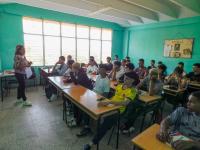
Last update: 6 hours agoSchool Safety: Classes were suspended at a senior high school in the Philippines after an online threat targeting a teacher; police are investigating and security has been tightened. Admissions Reform: France plans to replace its widely criticized university admissions platform after weeks of student protests, though demonstrators say their demands go beyond admissions. Access to School: Water shortages in Fiji’s Western Division have kept some children home; the Education Ministry is arranging water deliveries to affected schools. Classroom Rules: Pennsylvania’s new law will require public and private schools to ban personal phone use throughout the school day from 2027–28, with exemptions for medical, disability and learning needs. Teacher Shortages: North Dakota districts reported more than 250 vacancies, with elementary and special education among the hardest-hit roles. Conflict and Education: An Israeli strike on Gaza’s Islamic University killed three employees and injured eight students, according to reports.
Note: AI summary from news headlines; neutral sources weighted more to help reduce bias in the result. Feedback is welcome. Please let us know if you have any comments or suggestions about the AGP Executive Report.
 Perspectify News




 Pseudo-journalism: Pink-slime