

Dr. Niki Elliott's 'Heart-Centered Connections' argues adult nervous systems shape whether children can settle and learn
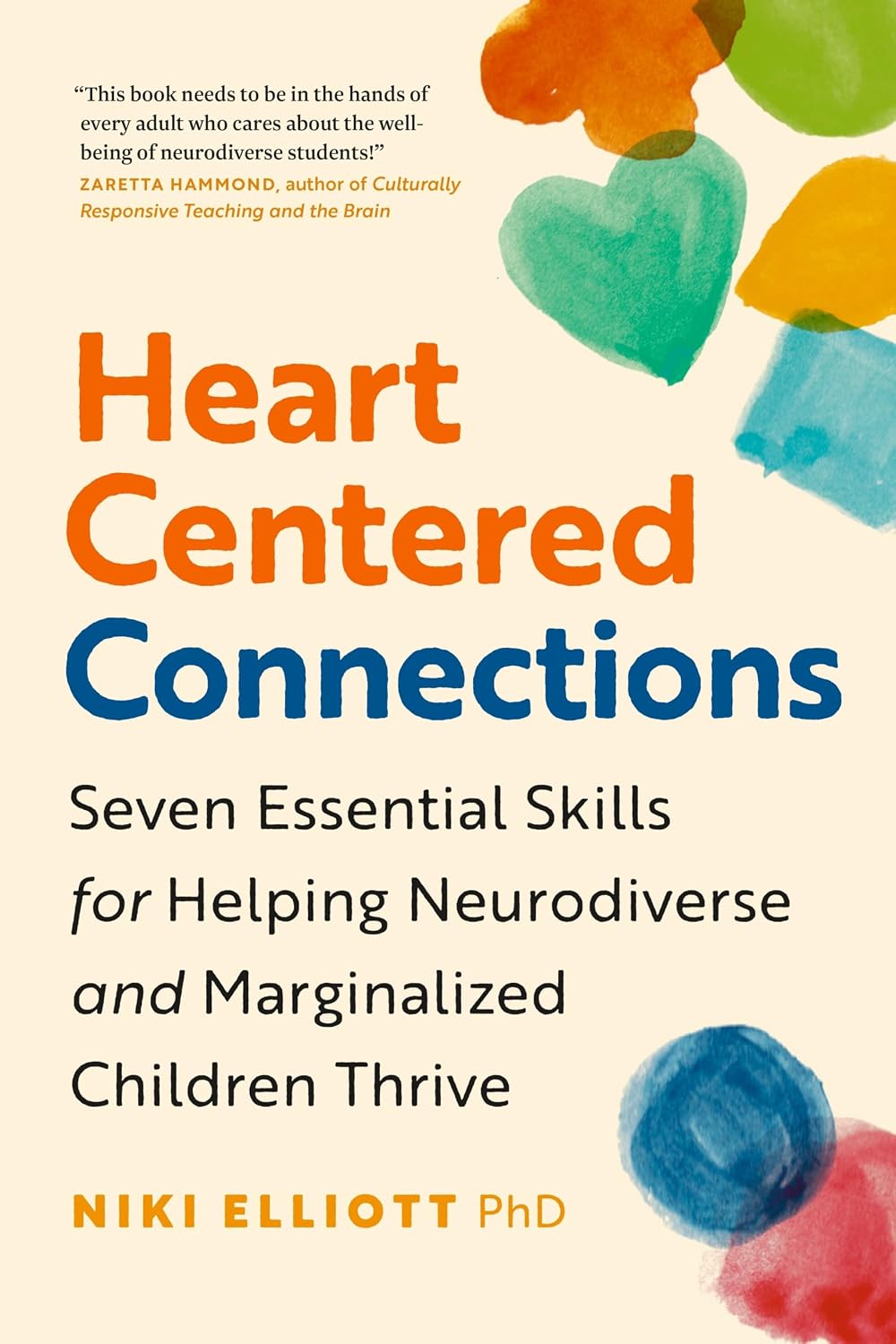
Heart-Centered Connections: Seven Essential Skills for Helping Neurodiverse and Marginalized Children Thrive," published July 21, 2026
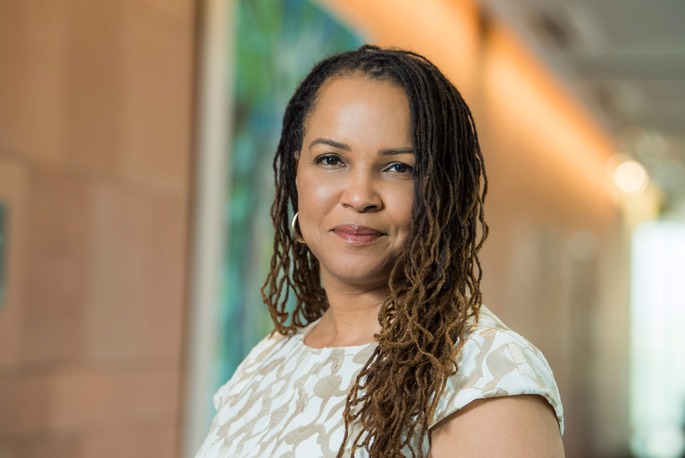
Dr. Niki Elliott, author
Dr. Niki Elliott's "Heart-Centered Connections" makes the case that adult stress, pace, and tone shape whether neurodiverse and marginalized children can learn.
Dr. Elliott is a clinical professor at the University of San Diego and director of the university's Center for Embodied Equity and Neurodiversity. She contends that schools, clinics, and youth programs are largely built to correct surface behavior, while the behavior itself is a response to conditions that adults control, including pace, noise, sensory load, tone of voice, and whether a child feels relationally safe. Dr. Elliott argues that behavior is communication, and punishment and removal can repeat the cycle they are intended to interrupt. She also writes that adults in these roles often carry sustained stress of their own, and that adult capacity is the factor most interventions aimed at children overlook.
The book is organized around seven skills or pillars: Self-Awareness, Interpersonal Awareness, Neuroinclusive Spaces, Activated Genius, Engaged Learning, Mindful Communication, and Heart-Centered Repair. Each pairs a concept with practices an adult can use in the moment, from recognizing a personal stress response before answering a child, to changing the sensory and social design of a room. Dr. Elliott presents the skills as transferable across classrooms, homes, therapy offices, and community programs rather than as a single program to adopt.
"By studying the 'Heart-Centered Connections' pillars, you begin to understand that the child's nervous system state, the child's capacity to focus, the child's success . . . it all begins with you," Dr. Elliott writes.
The book centers on children who most often have labels put on them, including neurodivergent students, students with learning differences, and children affected by trauma, along with children who experience marginalization based on race, disability, poverty, or language. Dr. Elliott's position is that the goal is not to change the children, but to change the conditions in which they are asked to learn.
Her framework draws on educational neuroscience, mind-body practices, and what she calls embodied equity, an approach that treats race, gender, ability, and socioeconomic status as inseparable from how children experience learning environments. The framework in the book developed over decades of work with teachers, school leaders, social workers, and caregivers.
"'Heart-Centered Connections' has the potential to fundamentally change how we prepare future teachers. This powerful resource offers those who work with pre-service educators a transformative framework for equipping them to enter today's diverse and complex classrooms with insight, empathy, and skill. Grounded in decades of research, the book provides a clear and practical approach to supporting students who are often misunderstood and marginalized. As an educational leader who has personally experienced the 'Heart-Centered Connections' workshop, I have seen firsthand how this work will prepare educators to examine their own emotional states, stress responses, and communication patterns," said Gretchen Givens Generett, Ph.D., dean and professor, School of Education, Duquesne University.
In her book, Dr. Elliott writes, "From a very young age, I observed stark inequalities in the education system and learned that having the right teacher could make all the difference for a student of color."
The book covers early childhood through adolescence and is written for educators, parents, school leaders, therapists, and youth workers.
Dr. Elliott has been on tour since publication. She launched the book at Vroman's Bookstore in Pasadena on July 21 and delivered a heart-centered keynote at Disneyland in Anaheim on July 23. In early August she spoke across Michigan, appearing at 27th Letter Books in Detroit on August 4, Portage Chapel Hill United Methodist Church in Portage and Bookbug in Kalamazoo on August 5, and Faith Lutheran Church and Schuler Books in Okemos on August 6. She returned to California for an event at DIESEL bookstore in Santa Monica on August 13, followed by a trip to Denver to read at the Shop at MATTER, on August 15.
"Heart-Centered Connections" is available now from Page Two.
# # #
ABOUT THE AUTHOR:
Dr. Niki Elliott is a clinical professor and director of the Center for Embodied Equity and Neurodiversity at the University of San Diego. A leading voice in neurodiversity and trauma-informed education, she has trained thousands of teachers, school counselors, and helping professionals worldwide to better support children with learning differences, mental health diagnoses, trauma histories, and behavioral challenges. Her work integrates educational neuroscience, mind-body practices, and embodied equity to build emotionally safe, inclusive learning environments. Dr. Elliott is the author of "Heart-Centered Connections: Seven Essential Skills for Helping Neurodiverse and Marginalized Children Thrive."
ABOUT THE BOOK:
"Heart-Centered Connections" teaches the best practices to support kids who are misunderstood and marginalized, those who are neurodivergent, have a learning disability, or are trauma survivors. They have extraordinary potential waiting to be unleashed.
"Heart-Centered Connections" is based on decades of groundbreaking research with over 1,000 child-serving professionals, including principals, teachers, foster care program directors, social workers, and parents. Dr. Elliott offers seven pillars that will help you create environments where kids can achieve their full potential. In this practical book, Dr. Elliott brings clear guidance and a hopeful message: when safety, compassion, and trust come first, real learning can begin. "Heart-Centered Connections" shows you how to create that foundation.
MEDIA CONTACT:
To request a review copy of “Heart-Centered Connections: Seven Essential Skills for Helping Neurodiverse and Marginalized Children Thrive,” or schedule an interview, contact publicist Nanda Dyssou at the Coriolis Company.
Nanda Dyssou
Coriolis
+ + +1 424-226-6148
email us here
Visit us on social media:
LinkedIn
Instagram
Facebook
X
Legal Disclaimer:
EIN Presswire provides this news content "as is" without warranty of any kind. We do not accept any responsibility or liability for the accuracy, content, images, videos, licenses, completeness, legality, or reliability of the information contained in this article. If you have any complaints or copyright issues related to this article, kindly contact the author above.
